
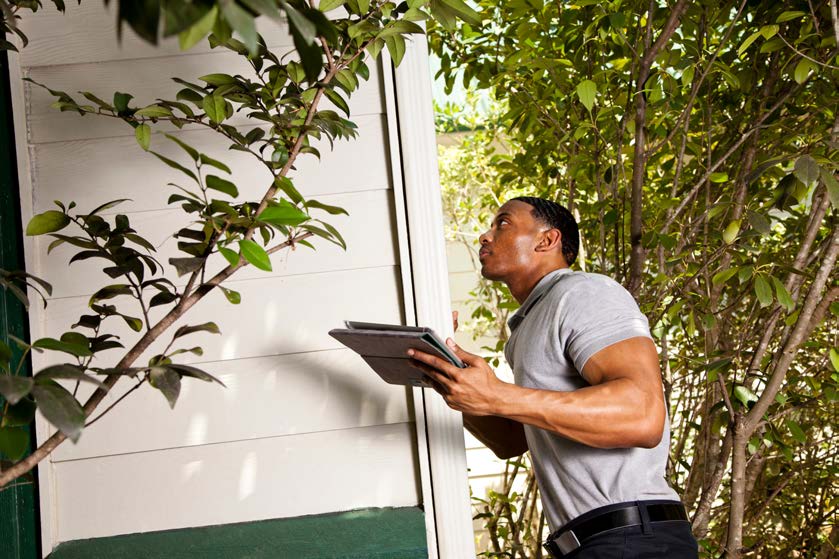
What is a Home Inspection?
Keeping your home in good repair has an impact on the future value of your home. When getting ready to sell your house, you don’t want to have to spend money to repair or update something that could have been addressed before now. Last minute repairs are often more expensive and they can devalue the sale price because you are now paying for a repair with the potential for a buyer to reduce their offer by more than the value of the actual repair
What does a home inspection consist of?
The home inspector looks for defects that would affect the integrity of the structure or the safety of the house. This is strictly a visual examination, informed by training and experience. A home inspection checklist usually includes:
- Attic.
- Gutters and downspouts.
- Exterior siding, paint or stucco.
- Electrical panel, power outlets, and light switches.
- HVAC system – thermostats, furnace or hot water heating, air conditioner, and ventilation.
- Plumbing fixtures, faucets, and water heater.
- Appliances.
- Floors, walls, and ceilings.
- Windows and doors.
- Stairs, steps, and railings.
- Porches and balconies.
- Walkways and driveways.
- Basement.
- Garage.
What does a Home Inspector not look at?
Home inspectors do not look at cosmetic issues. If there is a crack in the wall, they may note it, but if there is no underlying foundation issue, it will not be listed as an item for repair. They are not concerned with the state of the yard, landscaping, or any exterior items that do not affect the safety and integrity of the house. If you are purchasing a home with a well and septic system, you’ll need to hire a technician to come out separately for those inspections. Depending on where you live, other items that may or may not be part of an inspection can include:
- Landscaping and trees.
- In-ground sprinklers.
- Sewer.
- Swimming pool.
- Chimney and fireplace.
- Drainage.
- Floor coverings like tile, vinyl, or carpeting.
- Exterior items if covered by snow, like the roof or hardscaping.
- Evidence of rodents, mice, or rats.
- Wood-destroying pests, such as carpenter ants or termites.
No matter how long you plan to live in your house, it is always in your best interest, to take care of any issues that arise in a timely manner.
The preceding is a summary of the home inspection process from Redfin. For more detailed information click on Home Inspection Guide