
Embracing Smart Technology
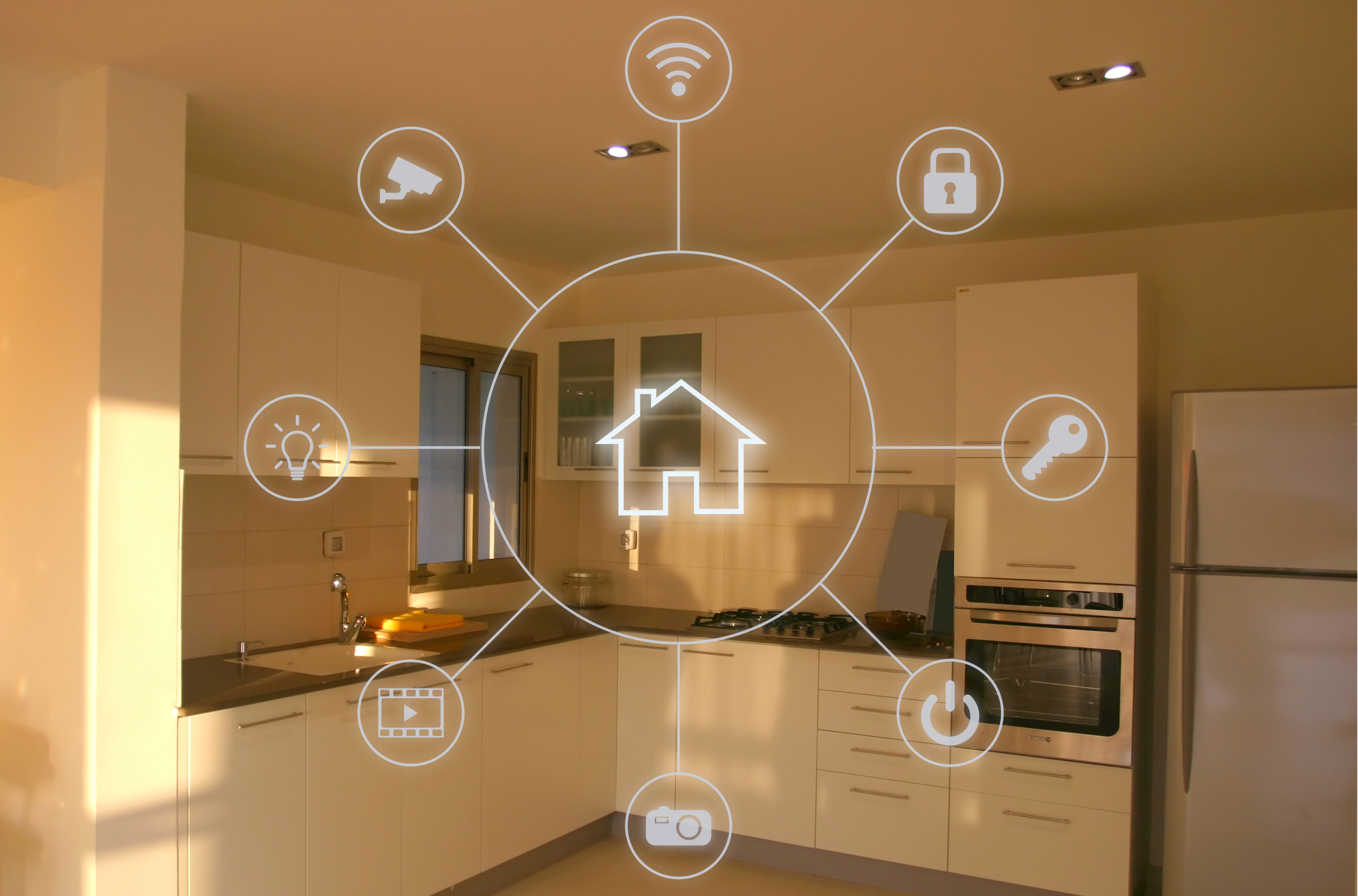
In today’s fast-paced world, smart technology is revolutionizing the way we live, offering convenience, efficiency, and a touch of futuristic flair to our homes. From voice-activated assistants to intelligent security systems, smart home devices are becoming an integral part of modern living. In this blog, we’ll explore the latest trends in smart technology, evaluate whether it’s worth the investment, discuss the costs involved, and take a glimpse into the future possibilities of this exciting domain.
Latest Trends in Smart Home Technology
- Voice-Activated Assistants: Devices like Amazon’s Alexa, Google Assistant, and Apple’s Siri have become household staples. These AI-powered assistants can control other smart devices, set reminders, play music, and even provide weather updates—all through voice commands.
- Smart Security Systems: Home security has taken a leap forward with smart cameras, doorbells, and locks. Products like Ring, Nest, and Arlo offer real-time surveillance, remote monitoring, and even facial recognition, enhancing the safety and security of homes.
- Energy Management Systems: With an increased focus on sustainability, smart thermostats like Nest and Ecobee are gaining popularity. These devices learn user preferences, adjust heating and cooling automatically, and help reduce energy consumption, leading to lower utility bills.
- Home Automation Hubs: Centralized systems like Samsung SmartThings and Wink Hub allow users to control multiple smart devices from a single platform. This integration streamlines the management of various gadgets, making the smart home experience more cohesive and user-friendly.
- Smart Appliances: From refrigerators that can create shopping lists to ovens that can be preheated remotely, smart appliances are making everyday tasks more efficient. Brands like LG, Samsung, and Whirlpool are leading the charge with innovative kitchen and laundry solutions.
Is It Worth the Investment?
The decision to invest in smart home technology depends on individual needs and lifestyle preferences. Here are some factors to consider:
- Convenience: Smart devices offer unparalleled convenience, automating routine tasks and providing seamless control over home environments. For busy professionals or tech enthusiasts, the convenience factor alone can justify the investment.
- Energy Savings: Smart thermostats, lighting, and appliances can lead to significant energy savings over time. While the initial cost may be high, the long-term reduction in utility bills can make these devices cost-effective.
- Security: Enhanced security features offered by smart cameras and locks provide peace of mind. The ability to monitor and control home security remotely adds an extra layer of safety for homeowners.
- Resale Value: Homes equipped with smart technology can have a higher resale value. Prospective buyers may be willing to pay a premium for the convenience and modernity of a smart home.
Cost Estimate
The cost of smart home technology can vary widely based on the extent of automation and the brands chosen. Here’s a general breakdown:
- Voice-Activated Assistants: $50 – $200
- Smart Security Systems: $100 – $500 per device
- Smart Thermostats: $100 – $250
- Home Automation Hubs: $70 – $200
- Smart Appliances: $500 – $3,000 per appliance
While the upfront costs can be substantial, it’s important to consider potential savings and the added convenience that these devices bring.
Future Possibilities
The future of smart home technology is incredibly promising, with advancements in AI, machine learning, and the Internet of Things (IoT) driving innovation. Here are some future possibilities:
- Advanced AI Integration: Smarter AI assistants that can predict user needs, offer personalized suggestions, and seamlessly integrate with various devices.
- Enhanced Interconnectivity: Greater compatibility between different brands and devices, allowing for a more unified and cohesive smart home ecosystem.
- Health Monitoring: Smart homes equipped with health monitoring features, such as air quality sensors, fall detection systems, and even devices that track vital signs.
- Sustainable Living: Further advancements in energy management systems, including solar power integration and smart grids, contributing to more sustainable and eco-friendly living environments.
Conclusion
In conclusion, smart technology for the home is more than just a trend—it’s a shift towards a more connected, efficient, and convenient way of living. While the investment may be significant, the benefits in terms of convenience, security, and energy savings make it a worthwhile consideration for many homeowners. As technology continues to evolve, the possibilities for smart homes are virtually limitless, promising an exciting future for all.